When the user journey makes people ask, "Wait, where am I?"
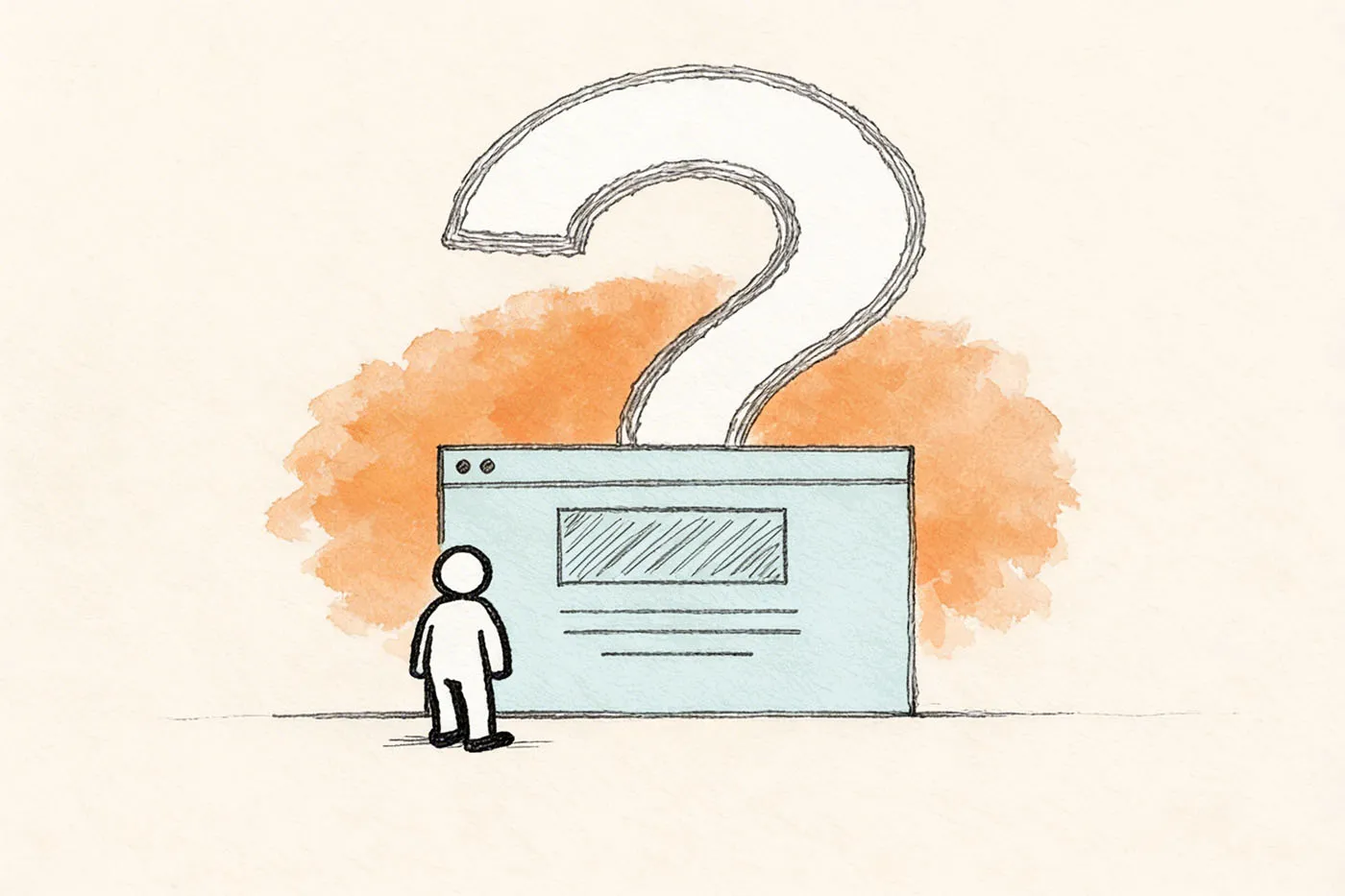
IT SHOWS UP the second someone leaves a familiar brand world and lands in a parent company careers environment that doesn't quite explain itself. If that jump feels abrupt, the user doesn't experience it as an architecture problem. They feel it as hesitation. A little drop in confidence.
At Insurgency, we saw the problem right where the click landed on Deckers: someone came in through HOKA (or one of the sister brand’s websites) and suddenly had to figure out why, where, and how they ended up in the Deckers’ website Careers section. The team proposed a simple bridge into the parent company careers experience. It mattered because it answered the question the journey had left hanging...
“Am I still in the right place?”
The hesitation starts before the application flow process begins
That's why "make it look better" was the wrong first instinct.
When someone arrives from a brand site, they already have a mental model. They think they're exploring that brand, its culture, and its opportunities. Then the experience asks them to make a bigger organizational jump into the parent company, often with different language and a more corporate level of abstraction. If that transition isn't explained cleanly, the user must stop and re-orient in the middle of what should feel like forward movement.
Most users won't say that in neat UX language. They'll just slow down and think, "Hang on, is this where I meant to end up?" Same effect.
When the user has to decode the handoff, the site is already spending trust it hasn't earned.
Clarity needs to do its job before design can
The objectives weren't just to refresh pages. They included distinguishing culture and values, demystifying Deckers Brands as the parent company, improving navigation, clarifying calls to action, and making the site easier to maintain internally. So no, this was never just a prettier-pages assignment. It's a clarity-and-confidence brief, whether the project names it that way or not.
The experience should explain where the reader is, why the parent company context exists, and what they should do next. After that, visual refinement gets to amplify something solid.
We're not arguing against design quality. We're saying design can't rescue a journey that still wants the audience to figure out the company structure while they're trying to apply for a job. If the visitor is still translating the relationship between the brand they came from and the company now asking them to continue, polish helps less than teams want it to.
Path logic beats polish when the visitor is still trying to figure out the new and unexpected world they just entered.
This is one place that a weak brief becomes visible
In the last piece, we made the case that weak briefs usually hide the real assignment. For this article, we aim to highlight that the weak brief would have allowed the user to feel disjointed in their journey. . A project can look organized internally and still feel slightly off if the brief treats the work like a page build when the real task is carrying a reader across a confidence-sensitive transition.
On Deckers, the user wasn’t the only one being asked to make a jump. Our team met with stakeholders globally and the unresolved user journey states (from brand site, to corporate, to careers) lasted far too long into the creative and development process.
Brand stakeholders may own one layer, corporate stakeholders another, and implementation another. Add a handoff-heavy delivery model on top, and the blurry part of the journey often does not survive because nobody fully plans for the user’s jump itself.
And now if you’re thinking to yourself, “Surely the process got cleaner from there?”, then the 3rd and final piece is for you!

Contact us
Feel free to drop us a message or if you prefer to kick it old school give us a call at 416-602-2095.