A good idea still has to prove the business case
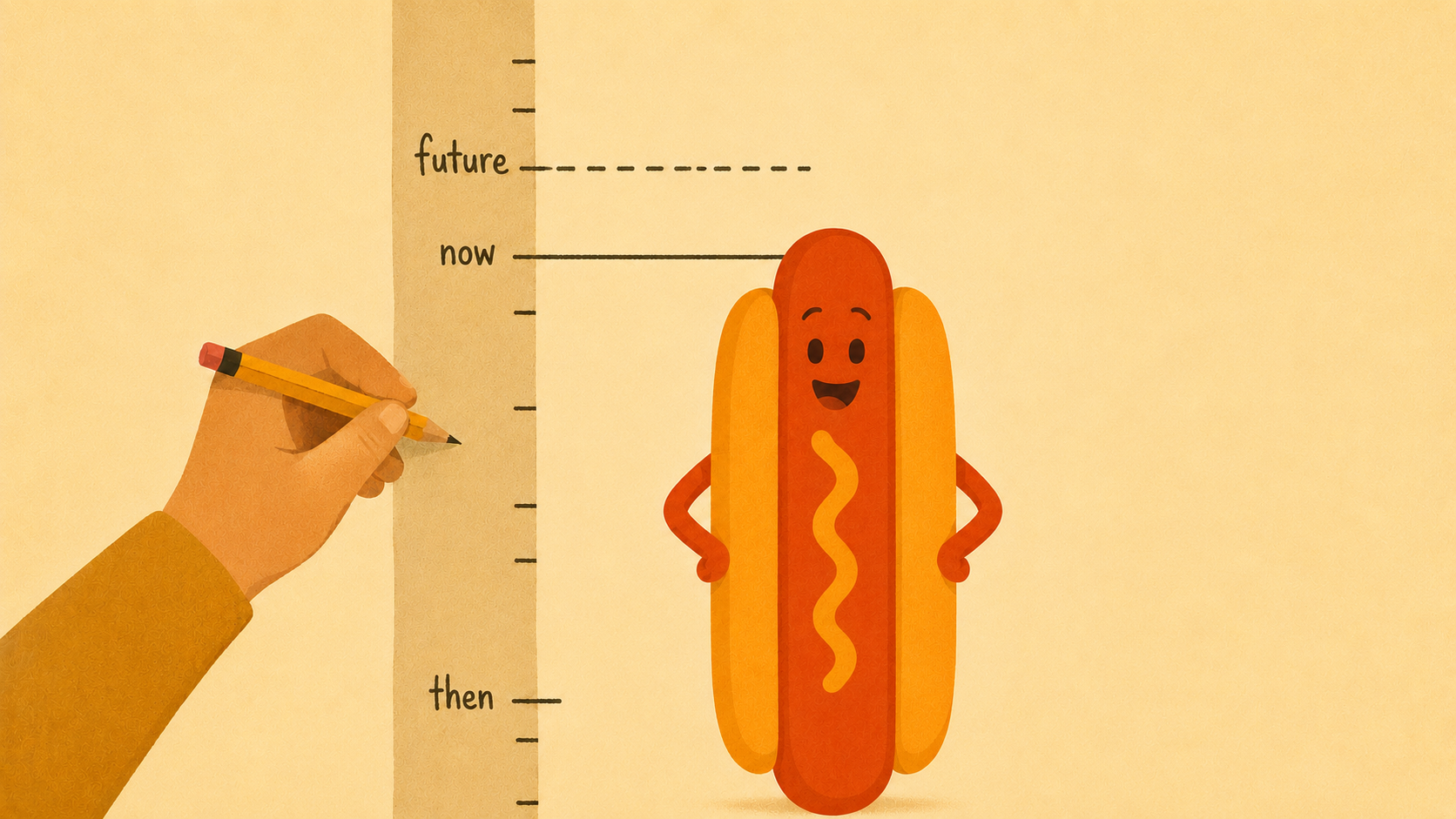
THE CHICAGO 58 OPPORTUNITY was easy to get excited about.
Real product. Real history. Real customer affection. A 100-year milestone. A founder with ambition. And a gap between what the brand already meant to people and what the business was asking that meaning to do.
That's a good creative problem.
It still has to become a business case.
That's the part we had to look at honestly after the conversation.
From our side, the opportunity felt obvious. People remembered the brand. The anniversary gave the company a reason to speak. The product could move between digital memory and real-world participation. There were ways to think about story collection, local activation, pop-ups, food trucks, and people in other places asking for the product where they lived.
You just had to think bigger.
There was a path.
But a path is not proof.
The idea was bigger than the measurement
The owner said he wanted Chicago 58 to become the king of salami in Canada.
That is a spectacular sentence. We are not improving on that.
But if that's the ambition, the next move can't only be creative. It has to become commercial.
How much salami is sold in Canada? How much was Chicago 58 selling then? What would meaningful growth look like? What would have to change in awareness, retail demand, distribution pressure, repeat purchase, or regional reach for the idea to deserve the investment?
Those aren't side questions.
That IS the business.
In hindsight, we probably didn't do enough of that work in the pitch.
We had the creative logic. We could see how the brand affection could turn into participation. We could see how the anniversary could become more than packaging. We could see how the story could move from "people remember this" to "people are doing something with that memory."
We may not have made the business math concrete enough for someone who was used to evaluating marketing in a very different way.
Budget is not the same as imagination
Chicago 58 wasn't doing nothing.
They had done the kind of marketing that made sense in their world. If you put money into a flyer, a deli-counter promotion, or something else close to the sale, the logic is legible. You can see the bump. You can connect the spend to the result in a way that feels direct.
That doesn't make the old model better.
It does make it easier to trust.
And when you're asking a business to buy work it hasn't bought before, trust doesn't come only from the quality of the idea. It comes from the way the idea connects to something the business can recognize.
We were asking Chicago 58 to think bigger than a label change. Bigger than a social post. Bigger than a commemorative moment.
That was the right instinct.
If a prospect doesn't want to tell you the budget, that's okay. You can still show the shape of the opportunity. Silver, gold, platinum. Small, medium, large. Entry point, bigger swing, full version.
For the record:
Big budgets make us happy.
We're not pretending otherwise.
But unclear budget should not make the idea smaller before it has had a chance to become useful.
The problem is that the bigger idea still has to be measurable. If the pitch doesn't show clearly enough how the bigger idea connects to the business, the bigger idea starts to feel abstract.
Not wrong.
Just harder to buy.
Creative conviction is not enough
This is the part agencies can get bad at admitting.
It's very easy to fall in love with the strategic elegance of an idea. Existing affection. Anniversary platform. Customer participation. Real-world activation. Possible retail pull.
That's a clean story.
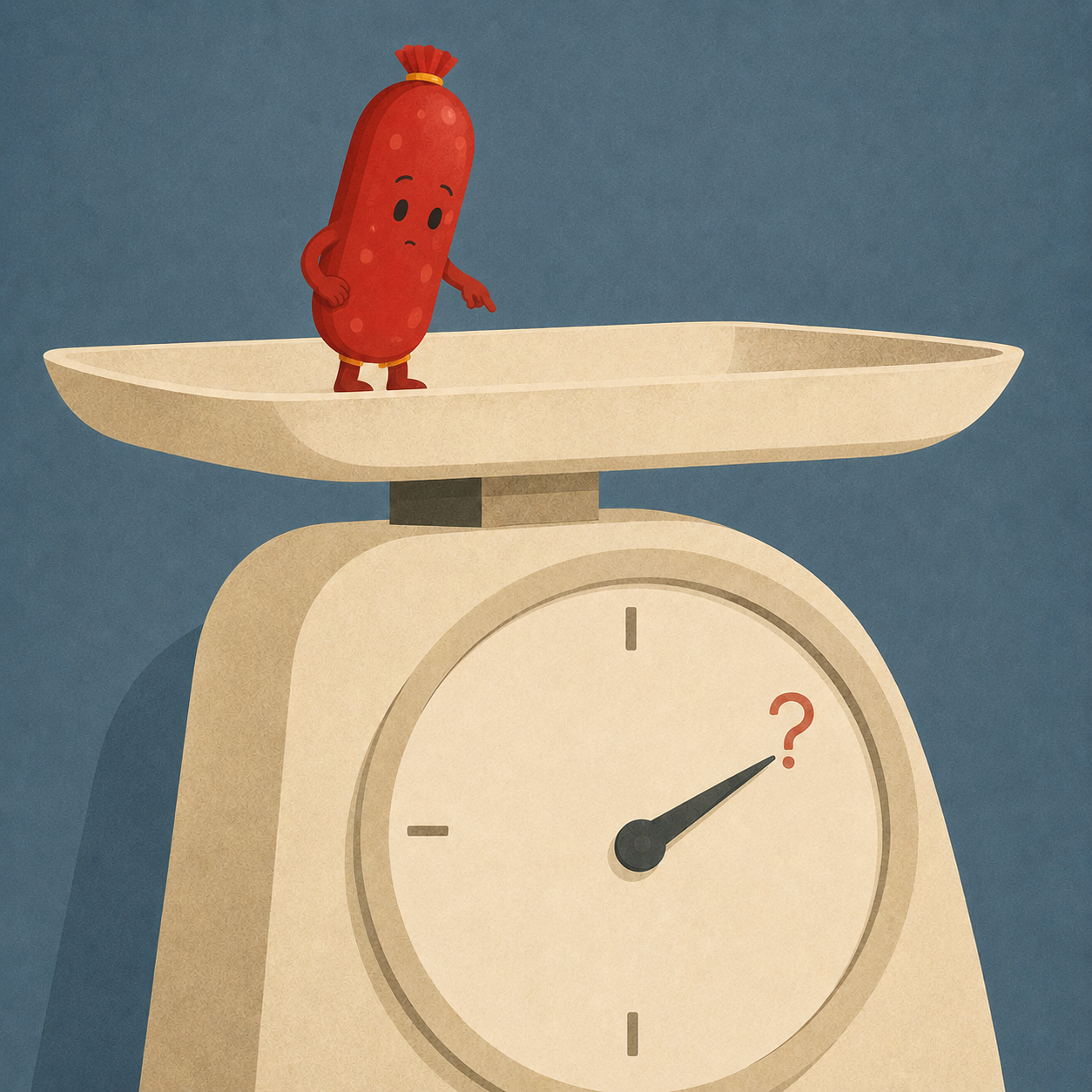
The person buying the work isn't buying story alone. They're taking on risk.
They have to explain the spend. They have to know what success looks like before the results are obvious. They have to believe the agency is measuring the thing the business actually cares about.
In our case, the stronger pitch probably needed a clearer business bridge.
Not a fake forecast. Not a fantasy spreadsheet where every customer memory magically turns into revenue.
Just a more concrete explanation of what we would measure, why those measures mattered, and how the work could connect back to the owner's bigger ambition.
What would early traction look like?
What behavior were we trying to create?
What would tell us the anniversary was becoming more than an announcement?
What would tell us the brand memory was turning into demand?
Those questions should have been more central.
The lesson
The lesson isn't that the idea was bad.
The lesson isn't that Chicago 58 should have trusted us because we were excited.
The lesson is that a good idea still has to prove the business case in language the buyer can actually use.
Especially when the buyer is being asked to move from familiar marketing into unfamiliar work.
That's where creative strategy has to become business translation. The work has to show what we're trying to make happen, what we'd be watching for, and why that matters to the business.
That's the part we could have made sharper.
And it changes how this opportunity should be read.
Because when the business case isn't clear enough, the harder question isn't only whether the idea is good.
It's whether both sides trust the work enough to start.
And that's where the next question starts. In the final piece in this mini series, we'll get into the part that mattered just as much as the idea or the math: whether both sides trusted the work enough to build it together.
If the work makes strategic sense but still feels hard to defend internally, we should talk. Contact us.

Contact us
Feel free to drop us a message or if you prefer to kick it old school give us a call at 416-602-2095.